
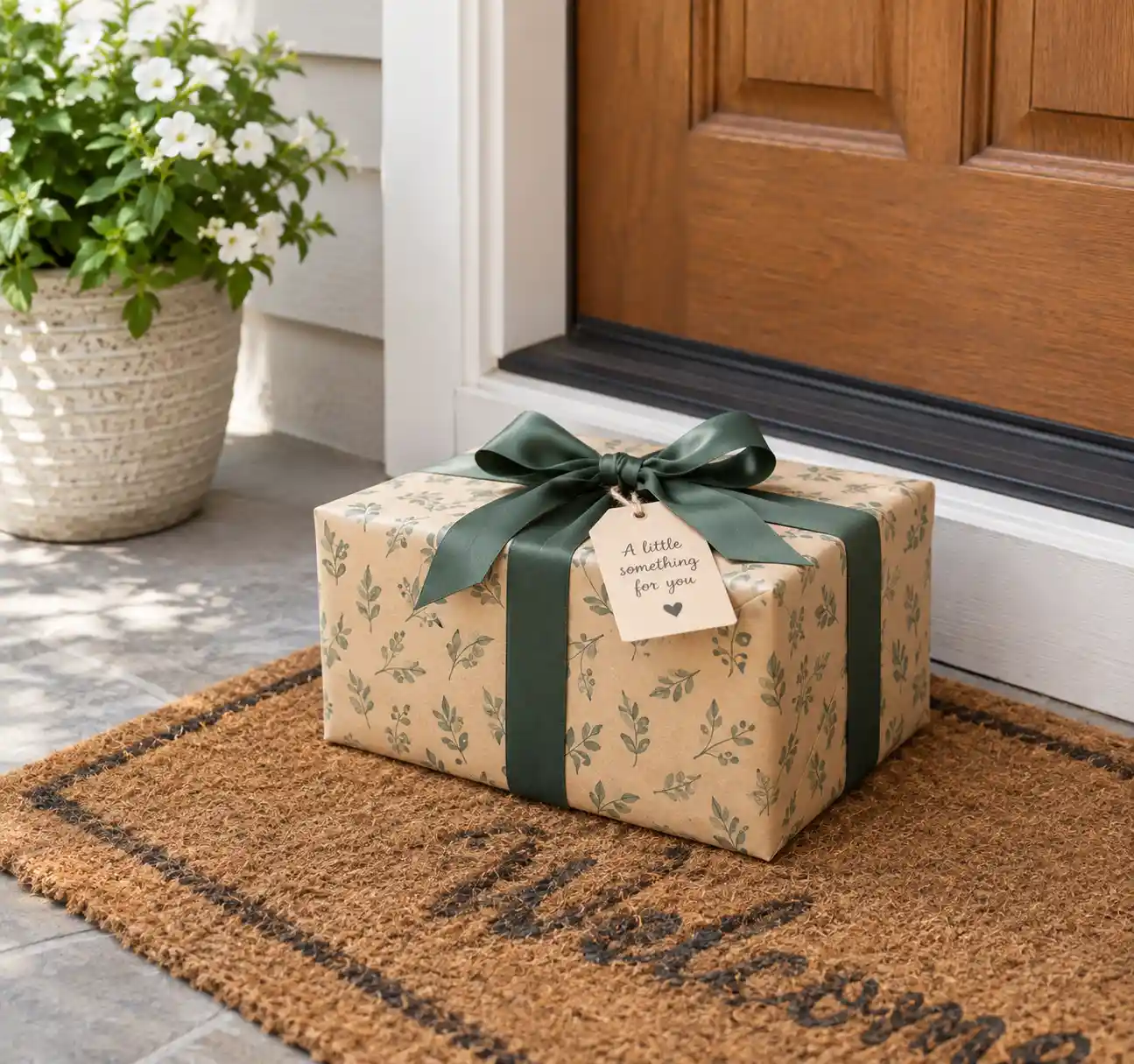
A toy brand posts a prize bundle. Comment to win. Thousands do. Then what? That’s the part most people never see. Understanding how family giveaways work means knowing both sides: the entrant who clicks and hopes, and the host who has to pick a winner, ship the prize, and not break any laws. Contest law, platform rules, taxes, and children’s privacy all show up. I’m not a lawyer, so I link official sources for anything legal.
The Basic Mechanics
Every giveaway has the same skeleton. Prize. Entry steps. A winner. Delivery.
Entry usually means following an account, commenting, tagging a friend, or filling in a form. Then the host draws a winner. Ideally at random, ideally logged or on camera.
Official rules should exist before entry number one. They protect the host and the entrants.
What’s the difference between a giveaway, a sweepstakes, and a contest?
“Giveaway” is the casual word. A sweepstakes picks winners by chance. A contest picks them by skill, like a photo vote or an essay. The label matters because the legal rules differ. Add a required purchase to a game of chance and, in many places, it becomes an illegal lottery.
How are winners chosen?
By random draw, or by judging criteria written into the rules. Good hosts use a documented method and announce the result publicly. If a host never shows how they picked, be suspicious.
Legal Basics for Hosts
Start with “no purchase necessary.” In the U.S., prize plus chance plus payment can add up to a lottery. Hosts avoid that by offering a free way to enter.
Disclosure matters too. If a brand or influencer runs the promotion, the Federal Trade Commission expects it to be labeled. Read the FTC Endorsement Guides FAQ before posting.
State and country rules differ. Some places require registration or bonding for big prizes. For anything valuable, ask a lawyer.
Do platforms have their own rules?
Yes, and breaking them can cost you the account. Instagram, Facebook, and TikTok each publish promotion guidelines in their help centers. They change, so reread them before every campaign.
Do winners owe taxes?
Often. In the U.S., prizes generally count as taxable income, and hosts may have to report larger ones. The IRS page on prizes and awards covers the basics. Winners of anything valuable should expect a tax bill.
When Kids Are Involved
Children change everything. Collecting personal information from kids under 13 triggers the FTC’s COPPA rule. The simple fix: require a parent or guardian to enter and to accept any prize.
Keep data minimal. No full names, schools, or photos of kids unless the rules say why and how you’ll protect them.
State who’s eligible in plain words. Adults 18 and older, in a named region.
Can kids enter giveaways?
Generally a parent or guardian enters for them. Many promotions bar anyone under 18 outright. Read the eligibility section first.
How do I keep my family’s information safe?
Stick to official pages. Share only what the entry needs. Walk away from any giveaway asking for card details or a Social Security number. A real prize never needs either.
Spotting Fake Giveaways
Scammers copy real brands all the time. Watch for these: a fee to claim the prize, a new account with a lookalike name, requests for private details, or a “win” in a contest you never entered.
The FTC’s page on prize and lottery scams lists the patterns. My rule of thumb: if you have to pay to collect a free prize, it’s a scam.
How do I check if a giveaway is real?
Go to the brand’s verified page directly. Don’t use a link from a message. Look for official rules, a named sponsor, and past winners.
Conclusion
Giveaways work when the host is clear and the entrant is careful. Hosts need written rules, a free way to enter, a documented draw, and an eye on platform and tax requirements. Entrants should verify the sponsor, protect kids’ data, and never pay to win. Click every legal link above before relying on it, since rules change. Then confirm the details with a lawyer or the official source.
FAQs
How do family giveaways work?
A host offers a prize, sets entry steps, and picks a winner by chance or judging. Official rules should explain eligibility, dates, and how winners are contacted.
Are online giveaways legal?
Usually, if you follow the law and platform rules, including a free way to enter. Rules differ by location, so confirm locally.
Do I have to pay taxes on a prize?
In the U.S., prizes are generally taxable income. Check IRS guidance for your situation.
How can I tell a giveaway is a scam?
If you must pay a fee, share financial details, or “won” something you never entered, walk away. Verify the sponsor on its official page.
2 thoughts on “How Family Giveaways Work: 6 Steps to Run One That Stays Legal and Fair”